
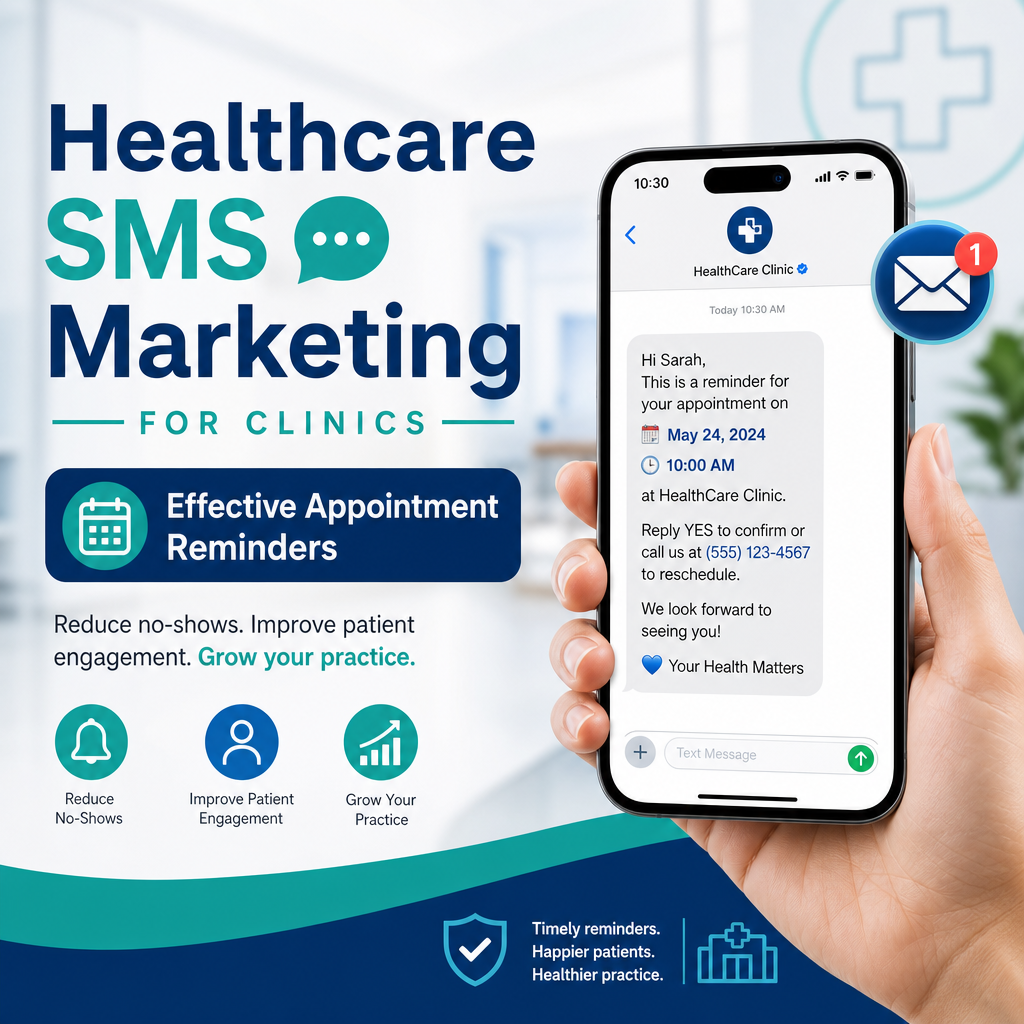
SMS Marketing for Healthcare Clinics
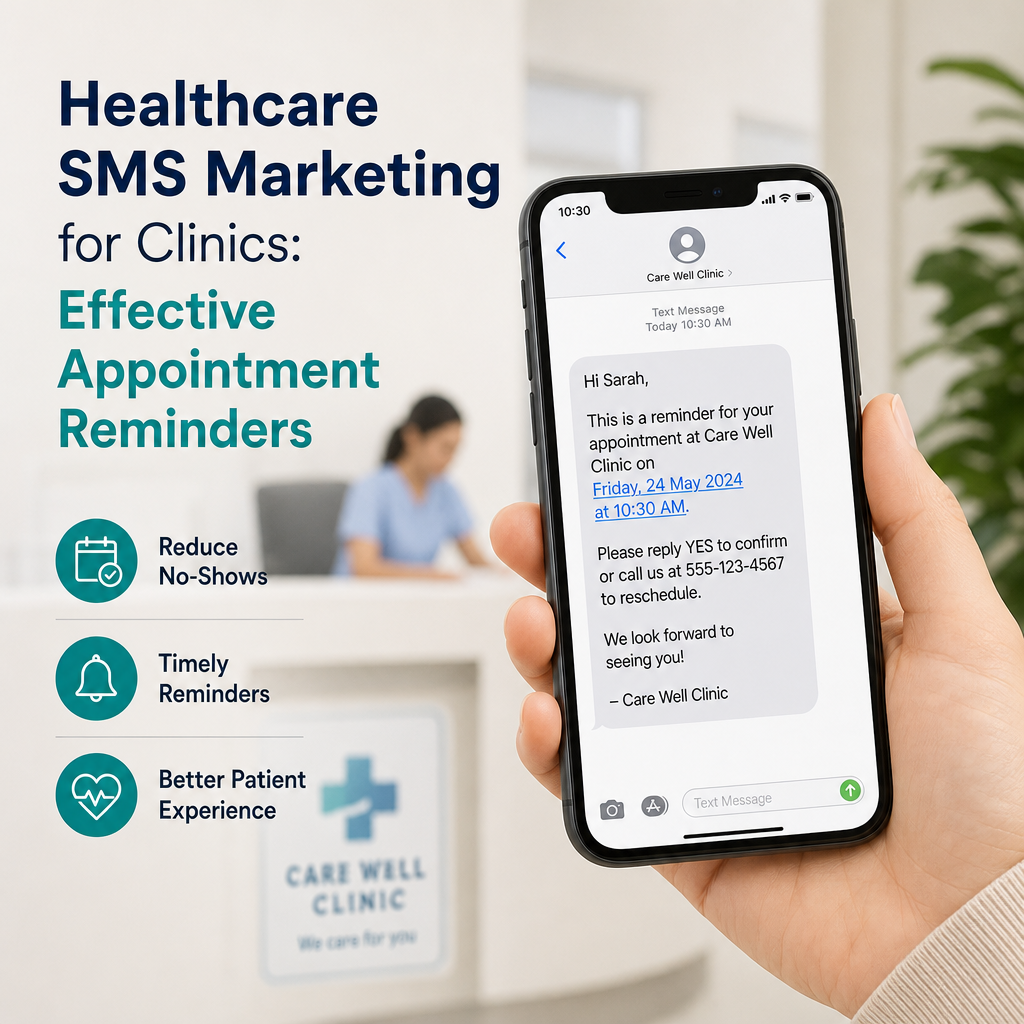
Healthcare clinics are under constant pressure to communicate clearly, reduce no-shows, improve patient satisfaction, and keep front-desk operations running smoothly. At the same time, patients expect fast, convenient communication that fits into their busy lives. That is where SMS marketing for healthcare clinics can make a meaningful difference.
Unlike email, which may go unread for hours or days, text messages are usually opened within minutes. This makes SMS one of the most effective ways to deliver timely updates, appointment reminders, follow-up instructions, and important clinic announcements. When used carefully and in compliance with privacy regulations, healthcare sms can help clinics streamline communication while improving the patient experience.
In this article, we’ll look at why SMS works so well in healthcare, the best ways clinics can use it, and how to build a patient-friendly messaging strategy that gets results.
Why SMS Works So Well for Healthcare Clinics
Healthcare communication has unique challenges. Patients are often dealing with stressful schedules, medical concerns, or limited availability. They may miss phone calls, ignore voicemail, or overlook emails. SMS solves many of these issues by offering a direct, simple, and immediate channel.
High Open Rates and Fast Response
Text messages have some of the highest open rates of any communication channel. Most patients check texts almost immediately after receiving them, which is especially useful for time-sensitive information such as:
- Appointment reminders
- Same-day schedule changes
- Lab result notifications
- Prescription pickup alerts
- Pre-visit instructions
A short message can quickly reach the patient without requiring them to log in to a portal or listen to a voicemail.
Less Friction for Patients
Patients do not need to download an app or navigate a website to read a text. That convenience makes SMS ideal for routine communication. For many clinics, a well-timed text message can reduce confusion and lower the number of inbound calls asking simple questions like “What time is my appointment?” or “Do I need to bring anything?”
Better Operational Efficiency
When staff spend less time making reminder calls and answering repetitive questions, they can focus on higher-value tasks. For clinics with limited administrative support, appointment reminders by SMS can free up valuable time and reduce workflow bottlenecks.
The Best Ways to Use Healthcare SMS
SMS should not replace every type of communication, but it can be highly effective for specific use cases. Clinics that use texting strategically often see improvements in attendance, patient satisfaction, and staff productivity.
1. Appointment Reminders
One of the most popular uses of healthcare sms is sending appointment reminders. Missed appointments create wasted time, lost revenue, and delays in patient care. A simple reminder can help patients remember when and where they need to be.
A good reminder usually includes:
- Patient name
- Date and time
- Clinic location
- Provider name, if relevant
- Instructions for rescheduling or confirming
Example:
Hi Maria, this is a reminder of your appointment at Lakeside Clinic on Tuesday, May 14 at 3:30 PM with Dr. Lee. Reply C to confirm or call us at 555-1234 to reschedule.
This type of message is short, clear, and actionable.
2. Pre-Visit Instructions
Many patients forget important preparation steps before an appointment. SMS is ideal for sending quick instructions such as:
- Fasting requirements
- What documents to bring
- Arriving 15 minutes early
- Completing forms in advance
- Parking or entrance details
For example, a clinic might send:
Reminder: Please do not eat or drink 8 hours before your lab appointment tomorrow at 9:00 AM. If you have questions, call our office.
These texts help reduce confusion and improve appointment readiness.
3. Follow-Up Messages
After a visit, a clinic can use SMS to send follow-up messages that reinforce care instructions and encourage patient engagement. Depending on the type of appointment, follow-up texts may include:
- Medication reminders
- Recovery instructions
- Requests to schedule a follow-up visit
- Links to patient education resources
- Requests for feedback or satisfaction surveys
A brief follow-up can make patients feel cared for beyond the exam room.
4. Schedule Changes and Urgent Notifications
Sometimes clinics must make unexpected schedule changes due to weather, provider illness, or emergencies. Texting patients is one of the fastest ways to notify them. Compared with phone calls, SMS can reach many people quickly with less staff effort.
An example message might be:
Due to unexpected circumstances, today’s 2:00 PM appointments are being rescheduled. Please call us at 555-1234 or reply to this message to arrange a new time.
When handled respectfully, this approach reduces frustration and helps patients adjust their plans quickly.
5. Health Campaigns and Preventive Care Reminders
SMS can also support broader patient outreach campaigns. Clinics often use texting to encourage preventive care and ongoing wellness. Common examples include:
- Flu shot reminders
- Annual physical reminders
- Dental cleaning reminders
- Screening and wellness check messages
- Vaccination updates
These campaigns can help patients stay engaged with preventive care while increasing clinic visit volume in a natural, helpful way.
Benefits of SMS Marketing for Clinics
When implemented thoughtfully, SMS can support both the patient experience and the clinic’s business goals. Here are some of the biggest benefits.
Fewer No-Shows
No-shows are a major issue in healthcare. They waste appointment slots that could have been filled by other patients and disrupt clinic schedules. One of the clearest benefits of appointment reminders is reducing missed visits. Even a single reminder can significantly improve attendance rates.
Improved Patient Satisfaction
Patients appreciate convenient, timely communication. Text reminders and updates make it easier to stay informed without making extra phone calls. This creates a smoother experience and helps patients feel more supported.
Lower Administrative Workload
Every phone call saved is time that staff can use for patient care or more urgent administrative tasks. SMS automation can handle repetitive communication tasks such as reminders, confirmations, and basic updates.
More Consistent Communication
When communication is automated, patients receive the same clear information every time. This consistency reduces errors, helps standardize messaging, and makes it easier for clinics to maintain a professional image.
Better Engagement
Many patients are more likely to respond to a text message than to an email or voicemail. SMS encourages two-way communication, especially when patients can confirm, cancel, or ask simple questions by text.
Best Practices for Healthcare SMS
Healthcare messaging is different from retail or general marketing. Because patient trust and privacy are involved, clinics need a careful approach. Effective healthcare sms should be useful, respectful, and compliant.
Get Clear Consent
Before sending text messages, clinics should obtain proper patient consent. Patients should know what types of messages they will receive, how often they will be contacted, and how to opt out if needed.
Consent is not just a legal requirement in many cases; it also builds trust. Patients are more likely to welcome your messages when they have clearly agreed to receive them.
Keep Messages Short and Relevant
Text messages should be concise and easy to understand. Avoid unnecessary details or long paragraphs. The most effective SMS messages communicate one primary purpose at a time.
Good SMS message structure:
- State the reason for the message quickly
- Include only necessary details
- Use a clear call to action
- Keep the tone professional and friendly
Protect Patient Privacy
Healthcare clinics must be careful not to include sensitive information in text messages. Even if a patient has opted in to SMS communication, the message should avoid revealing private medical details unless the clinic’s process and legal framework allow for it.
For example, instead of saying:
Your test results show a positive diagnosis for…
A safer version might be:
Your lab results are ready. Please log in to the patient portal or call our office for more information.
This reduces privacy risk while still prompting action.
Choose the Right Timing
Timing matters. A reminder sent too early may be forgotten, while one sent too late may not give the patient enough time to respond. Most clinics send appointment reminders:
- A few days before the appointment
- The day before the appointment
- A few hours before, if appropriate
For follow-ups and campaigns, think about when the patient is most likely to read and act on the message.
Make It Easy to Respond
