
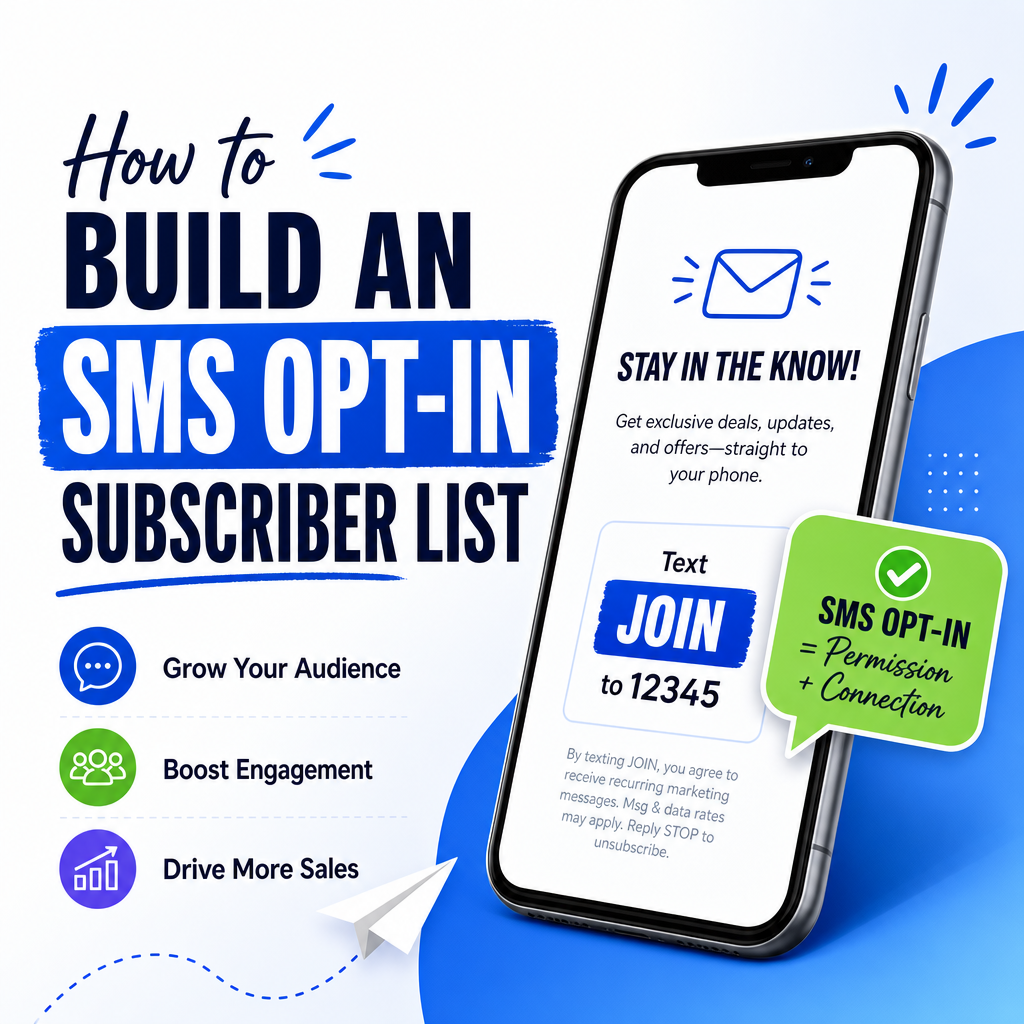
How to Build an SMS Subscriber List
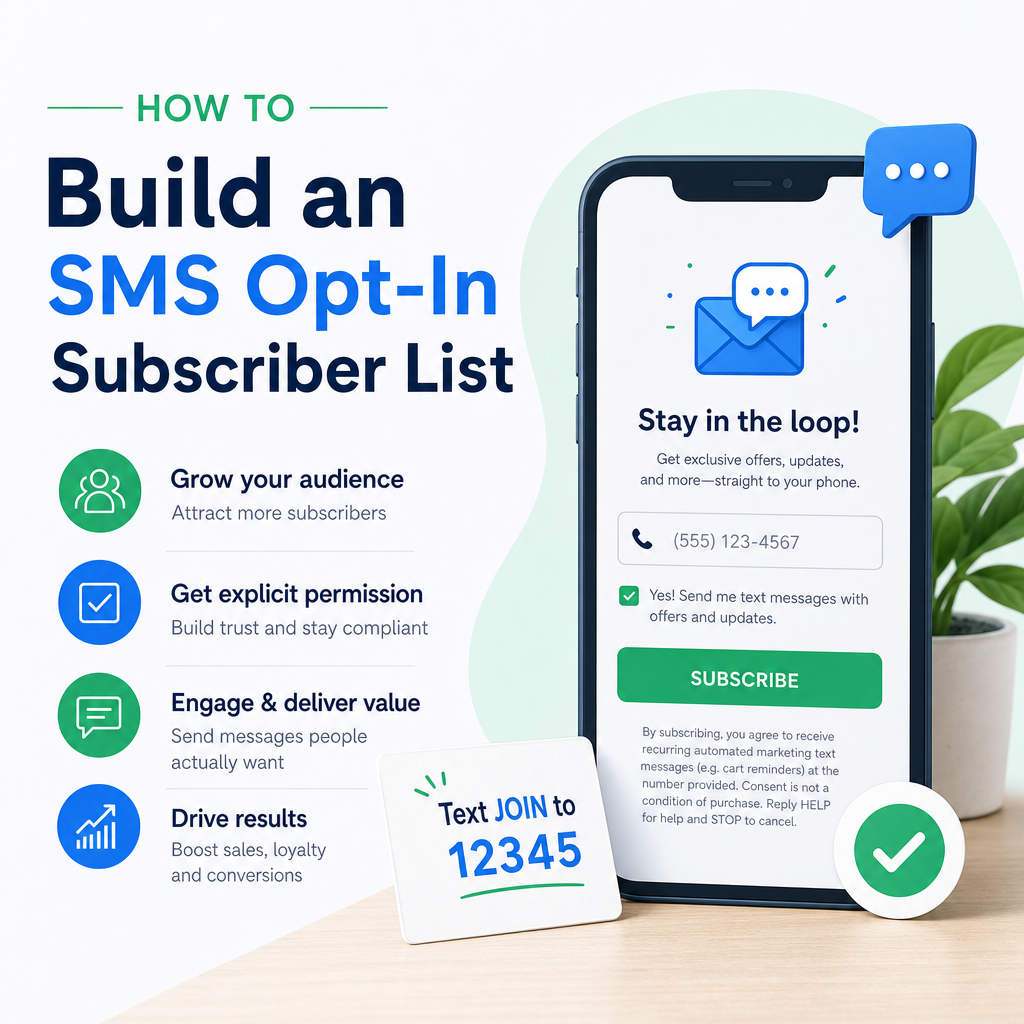
SMS marketing remains one of the most direct and effective ways to reach customers. Text messages are opened quickly, read almost immediately, and often lead to fast action. But before you can benefit from that power, you need a list of people who have explicitly agreed to hear from you.
That’s where an sms opt-in strategy comes in. Building a high-quality SMS subscriber list is not about collecting as many phone numbers as possible. It’s about earning permission, creating value, and making it easy for the right people to join your list.
In this guide, you’ll learn how to build an SMS subscriber list from the ground up, attract people who actually want your messages, and grow your list in a compliant, sustainable way.
Why SMS Subscribers Are So Valuable
SMS has a few advantages that make it especially useful for marketers:
- High open rates compared with email
- Fast delivery and quick action
- Direct access to your audience’s mobile device
- Strong engagement for limited-time offers, reminders, and updates
A good SMS subscriber list gives you a dependable channel for promotions, appointment reminders, flash sales, shipping updates, event alerts, and more. Unlike social media, where algorithms control visibility, SMS puts your message directly in front of your audience.
However, because SMS is so personal, people expect relevance and trust. That is why building your list the right way matters just as much as growing it.
Start with Permission First
Before collecting phone numbers, understand this: SMS marketing should always be permission-based. In many regions, sending promotional texts without clear consent can create legal issues and damage your brand reputation.
A proper sms opt-in process makes sure subscribers knowingly agree to receive messages from you. The more transparent you are, the more likely people are to stay on your list and engage with your texts.
What a Good Opt-In Includes
A compliant opt-in usually includes:
- A clear statement that the person is signing up for SMS messages
- The business name or brand identity
- Message frequency expectations, if possible
- Disclosure of possible message and data rates
- Instructions for opting out later, such as replying STOP
For example, a signup form might say:
“Join our SMS list to receive weekly deals, exclusive offers, and order updates. Message frequency varies. Message and data rates may apply. Reply STOP to opt out.”
That kind of clarity builds trust and helps set the right expectations from the start.
Create a Compelling Reason to Subscribe
People won’t give you their phone numbers just because you ask. You need a strong incentive. The best SMS subscriber lists grow because the audience sees clear value in joining.
Popular Incentives That Work
Some of the most effective reasons to opt in include:
- First-order discounts
- Exclusive promotions
- Early access to sales
- VIP-only content
- Back-in-stock alerts
- Event reminders
- Loyalty rewards
- Free shipping offers
The best incentive depends on your business. A clothing store might offer 15% off the first order, while a restaurant might send SMS-only flash deals or reservation alerts.
Keep the Value Specific
Generic promises like “Sign up for updates” are often too vague. Instead, communicate exactly what people will get.
Compare these two examples:
- “Join our text list for updates.”
- “Get weekly text-only offers, early access to sales, and first notice when new arrivals drop.”
The second version is much more persuasive because it explains the benefit clearly.
Use Multiple Signup Points
To grow your list consistently, you should make the sms opt-in opportunity visible in several places. Don’t rely on a single form buried on your website.
High-Converting Signup Locations
Add opt-in opportunities at:
- Your homepage
- Product pages
- Checkout pages
- Pop-up forms
- Footer signup sections
- Blog sidebar or inline banners
- In-store QR codes
- Social media bio links
- Event registration pages
- Email campaigns
The more places people encounter your SMS offer, the more likely they are to join.
Example: E-commerce Store
An online store could use several entry points:
- A website pop-up offering 10% off for joining
- A checkbox at checkout asking customers to opt in
- A footer form on the homepage
- An Instagram bio link leading to a simple mobile signup page
- A QR code on packaging that encourages repeat buyers to subscribe
This layered approach helps capture subscribers at different stages of interest.
Make Signup Easy
A complicated opt-in process will reduce signups. People are more likely to subscribe when the process feels fast, simple, and mobile-friendly.
Best Practices for Easy Signup
- Ask for only the essential information
- Use a short form
- Make the CTA button clear, such as “Text Me Deals” or “Join Now”
- Ensure forms work well on mobile devices
- Avoid asking too many questions upfront
In most cases, you only need a phone number and consent. You can gather other details later through segmentation, surveys, or purchase behavior.
Reduce Friction
If your opt-in requires too many steps, people will abandon it. For example, a form that asks for name, phone number, email, birthday, favorite product category, and zip code all at once may feel overwhelming.
Instead, start with one action:
- Enter phone number
- Confirm opt-in
- Receive welcome text
You can then ask for optional details after they join.
Use Clear Calls to Action
Your call to action should be easy to understand and focused on one result: joining your SMS list.
Effective CTA Examples
- “Get 15% Off by Text”
- “Join VIP Text Alerts”
- “Text DEALS to 12345”
- “Sign Up for Exclusive SMS Offers”
- “Get Order Updates by Text”
The language should match your audience and offer. A playful retail brand may use a more casual CTA, while a professional service company may choose something straightforward and polished.
Match CTA to Channel
Different platforms may require different CTAs:
- Landing page: “Join our text list and get your first offer today.”
- Checkout: “Yes, send me order updates and special text offers.”
- Social media: “Text VIP to 12345 for exclusive deals.”
When the CTA fits the context, more people will respond.
Promote Your SMS List Through Email
If you already have an email list, use it to grow your SMS subscribers. Your email audience already knows your brand, so they are more likely to trust your mobile messaging as well.
Ways to Encourage Email Subscribers to Join
You can:
- Announce your new SMS channel
- Offer an SMS-only bonus
- Explain the benefits of receiving texts
- Invite subscribers to get faster updates by phone
For example:
“Want first access to our best deals? Join our text list and get exclusive offers sent straight to your phone.”
This works especially well if your email list is engaged and loyal.
Leverage Social Media
Social media is another powerful channel for promoting your SMS opt-in. Since followers are already engaging with your brand, they may be open to a more immediate communication channel.
Ways to Use Social Media for SMS Growth
- Post a story or reel explaining the value of your text list
- Add a link-in-bio signup page
- Run a giveaway with SMS signups as one entry method
- Share time-sensitive offers available only to text subscribers
- Use pinned posts to highlight your SMS program
Example Campaign
A fitness studio might post:
“We’re sending class reminders, exclusive promo codes, and last-minute openings by text. Join our SMS list today and get a free guest pass.”
This gives followers a reason to act now instead of later.
Collect Signups In Person
If you have a physical location, events, or face-to-face interactions with customers, in-person signups can be a great way to build your list.
How to Collect SMS Opt-Ins Offline
You can use:
- QR codes on signs or receipts
- Tablet signups at checkout
- Staff prompts at the counter
- Event registration forms
- Printed cards with short text instructions
For example, a coffee shop might place a sign near the register that says:
“Text COFFEE to 12345 to join our rewards list and receive a free drink offer.”
This approach is simple and effective because it catches customers while they are already engaged.
Train Your Team
If staff members are asking customers to join your SMS list, make sure they know how to explain the benefits clearly and accurately. A confident, friendly explanation often improves opt-in rates.
Segment Subscribers Early
Not every subscriber wants the same thing. Even early in the process, try to learn enough to send relevant messages.
Why Segmentation Matters
Segmenting your SMS list helps you:
- Send more targeted offers
- Reduce unsubscribe rates
- Increase click-through and conversion rates
- Avoid sending irrelevant messages to everyone
Simple Ways to Segment
You can segment by:
- Product interest
- Location
- Purchase behavior
- Customer type
- Signup source
- Engagement level
For example, a clothing brand could ask subscribers to choose between “Women’s New Arrivals,” “Men’s New Arrivals,” and “Sale Alerts.” That way, each person receives texts that matter to them.
Use Double Opt-In When Appropriate
A double opt-in adds an extra confirmation step after someone signs up. For example, after entering a phone number, the subscriber receives a text asking them to confirm their subscription.
Benefits of Double Opt-In
- Confirms interest
- Helps reduce fake or mistyped numbers
- Improves list quality
- Strengthens compliance in some situations
While it adds one extra step, double opt-in often leads to a more engaged list. The people who confirm are usually more serious about receiving your texts.
Example Confirmation Message
“Thanks for joining! Reply YES to confirm your subscription to receive exclusive offers and updates from [Brand Name].”
This keeps the process clear and simple.
Send a Strong Welcome Message
The first text after signup sets the tone for the relationship. A good welcome message should reinforce the value of subscribing and tell people what to expect next.
What to Include in a Welcome Text
Your welcome message should:
- Thank the subscriber
- Confirm their signup
- Deliver any promised offer
- Explain what type of messages they’ll receive
- Remind them how to opt out
Example Welcome Message
“Welcome to [Brand Name] SMS! You’ll get exclusive offers, early access, and important updates. Here’s your 10% off code: SAVE10. Reply STOP to opt out.”
This message confirms the opt-in, delivers the incentive, and encourages future engagement.
Keep Your List Clean and Engaged
Building an SMS subscriber list is only the beginning. To keep it valuable, you need to maintain quality over time.
Good List Management Habits
- Remove inactive numbers when needed
- Honor opt-out requests immediately
- Avoid sending too frequently
- Keep messages relevant
- Monitor engagement patterns
- Test timing and content
If people stop interacting with your texts, it may be time to adjust your strategy. A smaller, engaged list is usually more effective than a large, uninterested one.
Avoid Common Mistakes
Growing an SMS list can go wrong if you focus too much on quantity and not enough on trust.
Mistakes to Avoid
- Buying phone number lists
- Sending messages without consent
- Hiding the opt-in terms
- Promising too much and delivering too little
- Sending texts too often
- Making unsubscribe difficult
- Using generic messages with no clear purpose
These mistakes can lead to unsubscribes, complaints, and poor performance. A thoughtful sms opt-in strategy protects your list and your brand.
Measure and Improve Your Results
Like any marketing channel, SMS works best when you track performance. Watch how people respond to your signup methods so you can improve over time.
Metrics to Watch
- Opt-in rate
- Conversion rate from each signup source
- Welcome text engagement
- Unsubscribe rate
- Click-through rate
- Purchase rate from SMS campaigns
If one signup form performs better than another, test why. Maybe the offer is stronger, the placement is better, or the wording is clearer. Small improvements can have a big impact.
Conclusion
Building an SMS subscriber list starts with trust, clarity, and value. When you create a strong sms opt-in experience, you’re not just collecting phone numbers—you’re building a direct communication channel with people who want to hear from you.
Focus on permission, offer a clear reason to subscribe, make signup easy, and keep your messages relevant. Do that consistently, and your SMS list can become one of your most valuable marketing assets.
