
Ultimate Guide to Bulk SMS Marketing
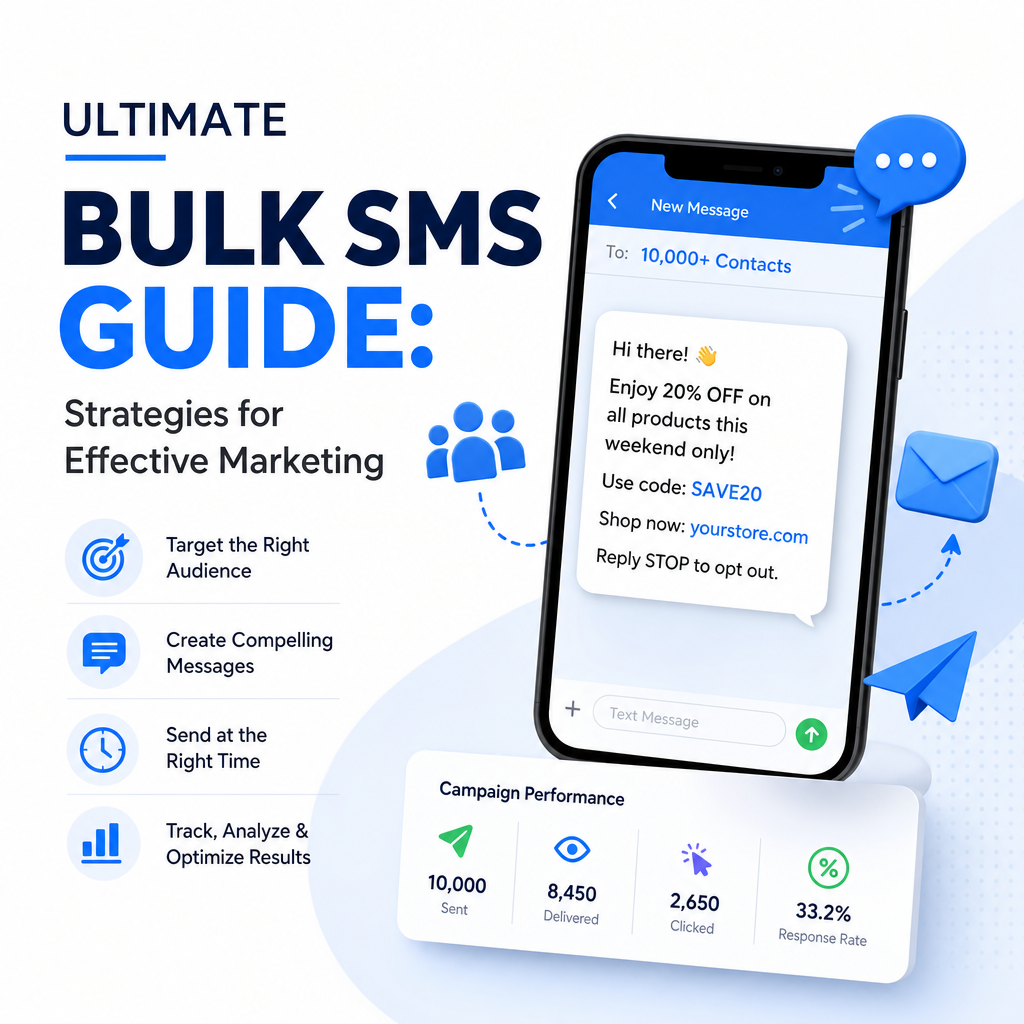
Bulk SMS marketing is one of the fastest and most direct ways to reach customers. Unlike email, which may sit unread for hours, or social media posts that can get lost in crowded feeds, text messages are typically seen within minutes. That makes SMS a powerful channel for businesses that want to share promotions, reminders, alerts, and updates with a highly engaged audience.
This bulk SMS guide walks through everything you need to know to plan, launch, and improve your SMS campaigns. Whether you run a small local business or manage marketing for a larger brand, bulk SMS can help you communicate clearly, act quickly, and drive measurable results.
What Is Bulk SMS Marketing?
Bulk SMS marketing is the practice of sending a single text message to a large group of recipients at once. These messages are usually sent through an SMS platform or gateway that allows businesses to manage contact lists, create campaigns, schedule delivery, and review performance.
Common use cases include:
- Promotional offers and discounts
- Appointment reminders
- Order and shipping notifications
- Event updates
- Flash sale alerts
- Customer re-engagement messages
- Survey requests and feedback collection
Because SMS is short, immediate, and personal, it works especially well for time-sensitive communication.
Why Bulk SMS Works So Well
SMS has several advantages that make it stand out from other marketing channels.
High Open Rates
Text messages are typically opened far more often than emails. Many users check messages almost instantly, especially when they come from a familiar brand or service. This means your message is more likely to be seen quickly.
Fast Delivery
SMS is ideal for urgent information. If you need to announce a last-minute sale, confirm a booking, or notify customers of a delay, text messages deliver that information almost immediately.
Broad Reach
Nearly everyone with a mobile phone can receive text messages. You do not need a smartphone, app installation, or internet connection for standard SMS delivery.
Direct and Personal
A text message feels more personal than many other marketing channels. When used appropriately, it can create a sense of direct connection between the business and the customer.
Strong Engagement
Because SMS messages are short and easy to act on, they often generate higher response rates than many digital marketing methods. A simple offer, reminder, or link can drive quick action.
When to Use Bulk SMS
Bulk SMS is most effective when the message is relevant, timely, and concise. Here are a few situations where it performs especially well.
Promotions and Flash Sales
If you are running a limited-time offer, SMS can help create urgency. For example:
“Today only: Get 20% off all shoes until 8 PM. Shop now at [link].”
This kind of message works because it is short, clear, and action-focused.
Appointment Reminders
Service businesses such as clinics, salons, repair shops, and consultants often use SMS to reduce no-shows. A reminder sent the day before or a few hours before an appointment can help customers stay on schedule.
Delivery and Order Notifications
Customers appreciate updates about their purchases. Shipping confirmations, delivery updates, and pickup alerts improve the customer experience while reducing support inquiries.
Event Communication
For conferences, workshops, and webinars, SMS can be used for registration confirmations, schedule changes, venue details, and last-minute reminders.
Customer Service Alerts
Some businesses use SMS to communicate system outages, account issues, or important account notices. This makes it easy to share time-sensitive information.
How to Build an Effective Bulk SMS Campaign
A successful SMS campaign is more than just sending a text to a list. It requires strategy, timing, and attention to customer experience.
1. Define Your Goal
Start by deciding what you want the message to achieve. Common goals include:
- Increase sales
- Drive website traffic
- Reduce missed appointments
- Improve customer retention
- Share urgent updates
A clear goal helps you write a better message and measure success later.
2. Build a Permission-Based Contact List
Never send bulk SMS to people who have not agreed to receive messages. Permission-based marketing is not only best practice, it is also required in many regions.
You can collect opt-ins through:
- Website sign-up forms
- Checkout pages
- Loyalty programs
- In-store enrollment
- Event registrations
- Lead magnets or promotions
Always make it clear what type of messages subscribers will receive and how often.
3. Segment Your Audience
Not every message should go to every subscriber. Segmentation lets you send more relevant messages to different groups.
Examples of useful segments include:
- New customers
- Returning customers
- VIP or loyalty members
- Location-based groups
- Recent purchasers
- Dormant users
For instance, a clothing store might send a special offer only to customers who bought winter items last year, while a restaurant might target people who signed up for lunch promotions.
4. Write a Clear, Concise Message
Text messages need to be short and easy to understand. Focus on one main action.
A strong SMS message usually includes:
- Who the message is from
- What the offer or update is
- Why it matters
- A clear call to action
Example:
“Hi Sarah, your 15% off coupon expires tonight. Use code SAVE15 at checkout: [link]”
Keep it simple and avoid unnecessary words. Every character should support the purpose of the message.
5. Choose the Right Timing
Timing can have a major impact on performance. Send messages when recipients are likely to read and act on them. That usually means business hours or early evening, depending on your audience and industry.
Avoid sending texts:
- Too early in the morning
- Very late at night
- During irrelevant hours for your audience
- Too frequently, which can feel intrusive
If your campaign is tied to a special event or deadline, choose a delivery time that gives enough notice without losing urgency.
6. Include a Clear Call to Action
Your recipient should know exactly what to do next. Whether the goal is to visit a website, use a promo code, confirm an appointment, or reply with a keyword, the action should be obvious.
Good CTA examples:
- Shop now
- Confirm your appointment
- Reply YES to opt in
- Claim your offer
- Learn more
- Register today
If you include a link, make sure it works on mobile and leads to a simple, fast-loading page.
Best Practices for Bulk SMS Marketing
Following best practices helps you stay compliant, improve response rates, and maintain trust with your audience.
Keep Messages Short
SMS is not the place for long explanations. Short, focused messages are easier to read and more likely to get attention.
Personalize When Possible
Even simple personalization, such as using the recipient’s first name or referencing a recent purchase, can improve engagement.
Examples:
- “Hi James, your order is ready for pickup.”
- “Mia, your spring sale access starts now.”
Use a Recognizable Sender Name
People are more likely to open messages from a sender they recognize. Choose a sender ID or phone number that matches your brand identity.
Avoid Over-Messaging
Too many texts can cause unsubscribes. Send only the messages that are useful, timely, and relevant. Quality matters more than volume.
Make Opt-Out Easy
Every SMS campaign should include a simple way to unsubscribe, such as “Reply STOP to opt out.” This is both professional and required in many jurisdictions.
Test Before You Send
Before launching a large campaign, test:
- Message formatting
- Links
- Spelling and grammar
- Personalization fields
- Delivery timing
- Landing page performance
A small test can prevent mistakes that damage results or brand credibility.
Compliance and Legal Considerations
Compliance is a critical part of any bulk SMS guide. Text marketing is regulated in many countries, and rules vary depending on where your audience lives.
Get Explicit Consent
Only message people who have clearly opted in. Consent should be documented and easy to verify.
Identify Your Business
Recipients should know who is texting them. Use your business name or a clearly identifiable sender.
Include Opt-Out Instructions
Provide a way for recipients to stop future messages. Common wording includes “Reply STOP to unsubscribe.”
Respect Time Zones and Local Laws
If you have customers in multiple regions, make sure your sending schedule follows local rules and acceptable hours.
Store Data Securely
Contact information and consent records should be protected. Use secure systems and limit access to authorized staff.
Following these rules protects your business and helps build trust with subscribers.
Measuring Bulk SMS Performance
To improve campaigns over time, track the metrics that matter most.
Delivery Rate
This shows how many messages were successfully delivered. A low delivery rate may indicate invalid numbers or carrier issues.
Open Rate
Although SMS open rates are generally high, this metric helps you understand how quickly recipients are reading your messages.
Click-Through Rate
If your text includes a link, track how many people clicked it. This is a useful measure of engagement and message effectiveness.
Conversion Rate
The most important metric is often conversion. Did recipients buy, book, register, or respond after receiving your message?
Unsubscribe Rate
If too many people opt out, your messages may be too frequent, too generic, or poorly timed.
Response Rate
For two-way campaigns, track how many subscribers reply. This is especially useful for surveys, confirmations, and customer support workflows.
Examples of Effective Bulk SMS Messages
Here are a few practical examples to show how bulk SMS can be used in different contexts.
Retail Promotion
“Weekend sale: 25% off storewide until Sunday at 10 PM. Shop now: [link]”
Appointment Reminder
“Reminder: Your dental appointment is tomorrow at 3:30 PM. Reply YES to confirm or call us to reschedule.”
Event Update
“Conference update: Session B will now start at 2 PM in Hall 3. View the full schedule here: [link]”
Shipping Notification
“Good news! Your order #4821 has shipped and is expected to arrive on Friday. Track it here: [link]”
Re-Engagement Message
“We miss you! Come back this week and enjoy 10% off your next order with code WELCOME10.”
These examples are effective because they are short, specific, and action-oriented.
Common Mistakes to Avoid
Even a strong SMS strategy can fail if you make avoidable mistakes.
Sending to the Wrong Audience
A message only works when it is relevant. Avoid sending the same promotion to everyone if only a segment is likely to care.
Writing Too Much
Long messages can feel overwhelming and may reduce response rates. Keep the focus tight.
Using Vague Offers
Instead of saying “big savings available,” be specific. Say “20% off all skincare products until midnight.”
Ignoring Timing
Poor timing can make a useful message feel annoying. Send at moments when the recipient is most likely to value it.
Forgetting Mobile-Friendly Links
If your message includes a link, the landing page should load quickly and be easy to use on a phone.
Not Reviewing Compliance
A campaign that ignores consent or opt-out rules can create legal and reputational problems.
Final Thoughts
Bulk SMS marketing remains one of the most effective ways to reach customers quickly and directly. When used thoughtfully, it can boost sales, improve communication, and create a better customer experience.
The key is to treat SMS as a valuable communication channel, not just a broadcasting tool. Build a permission-based list, segment your audience, keep your messages short, and send only when the message truly matters. That approach will help you get better results while maintaining trust.
This bulk SMS guide gives you the foundation to create campaigns that are timely, compliant, and effective. Start with clear goals, test your messages, and keep improving based on performance. With the right strategy, bulk SMS can become one of the most reliable tools in your marketing mix.
