
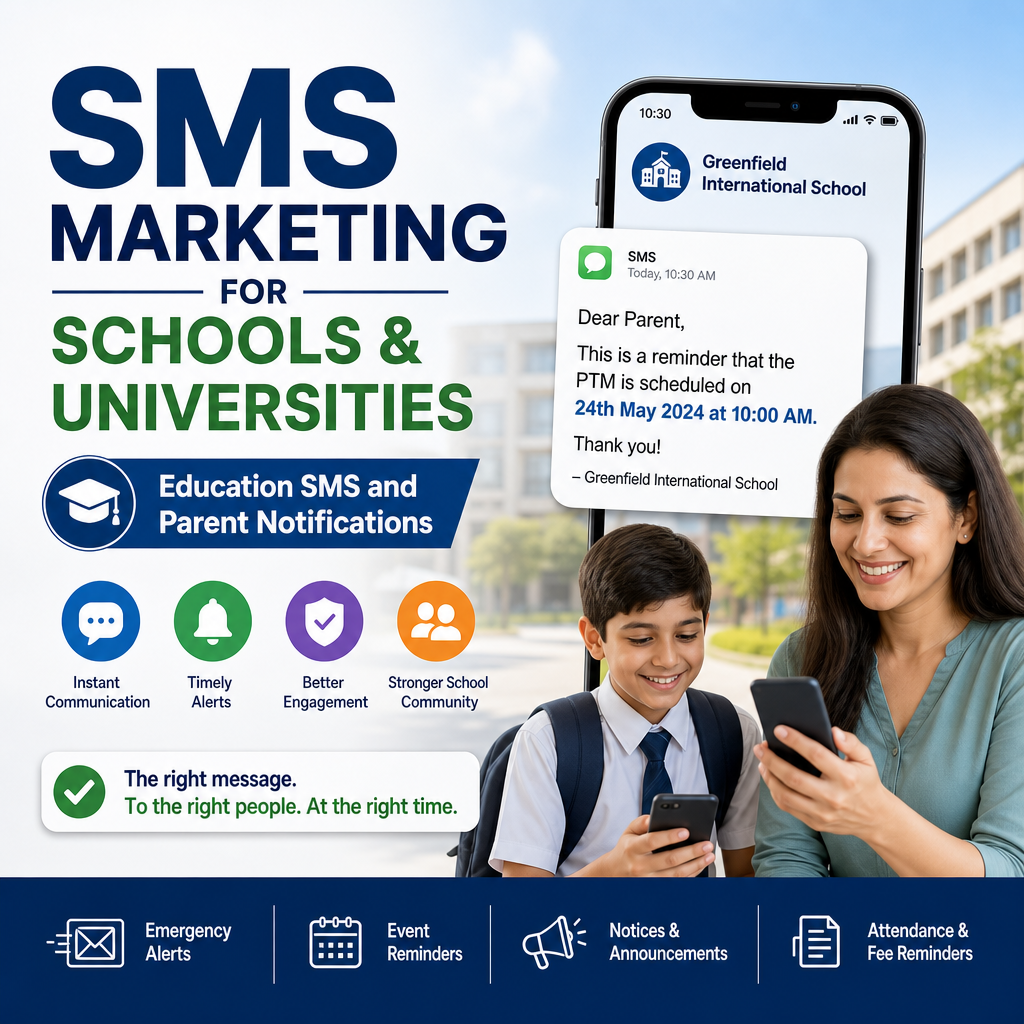
SMS Marketing for Schools and Universities
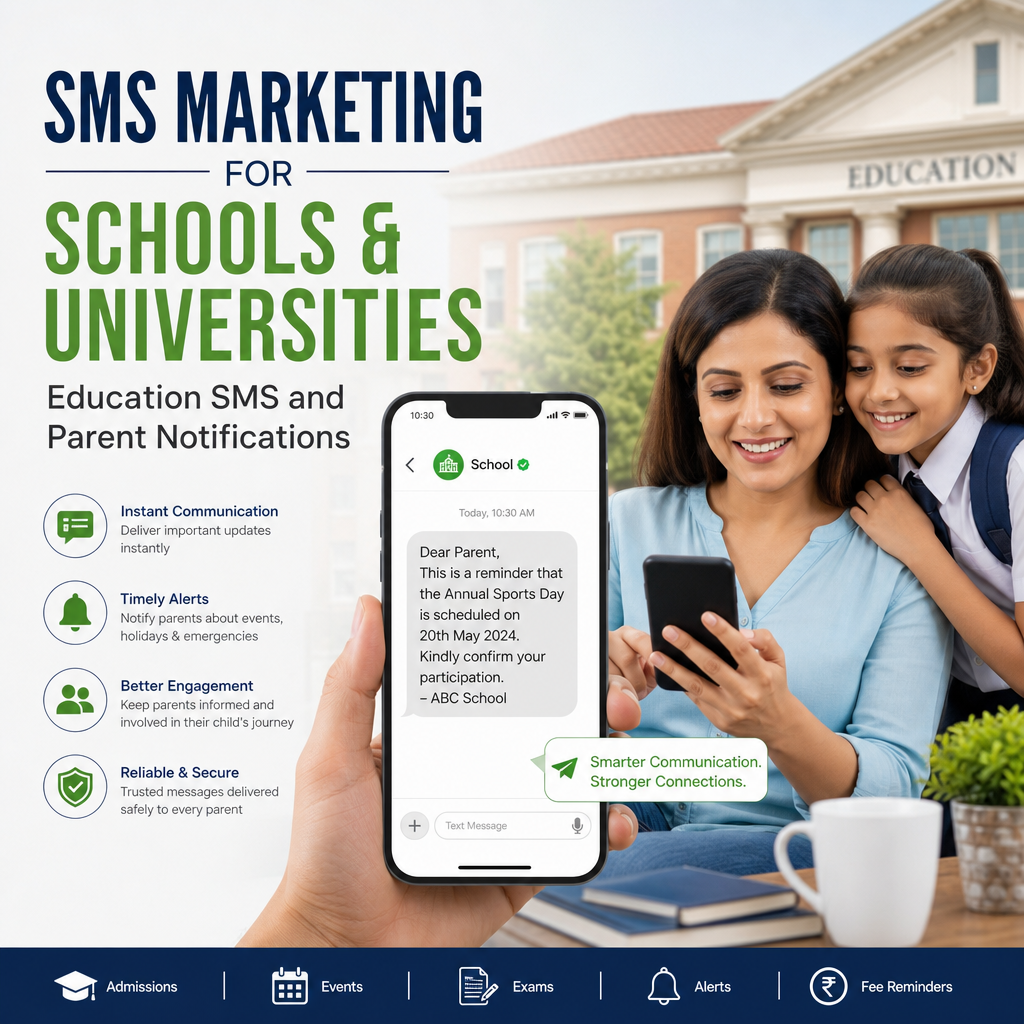
Schools and universities rely on timely, clear communication to keep students, parents, faculty, and staff informed. In a world where emails get buried and app notifications are ignored, SMS marketing has become one of the most effective tools in education communication. From urgent alerts to event reminders and enrollment updates, text messaging helps institutions reach people instantly and reliably.
For schools looking to improve engagement, increase attendance, and reduce missed messages, education sms strategies can make a major difference. They are simple, direct, and ideal for high-priority communication. Whether used for parent notifications, campus announcements, or student engagement, SMS offers a practical way to connect with your community in real time.
Why SMS Works So Well in Education
Text messaging has a few key advantages that make it especially powerful for schools and universities:
- High open rates: Most text messages are opened within minutes.
- Speed: Messages are delivered instantly, making SMS ideal for urgent updates.
- Convenience: Parents and students already check their phones frequently.
- Simplicity: Short messages are easier to read and understand than long emails.
- Reach: SMS works even when recipients don’t have app access or strong internet connectivity.
In education, timing matters. A late bus announcement, weather closure, or last-minute schedule change can affect hundreds or thousands of people. SMS helps institutions communicate fast and reduce confusion.
Common Uses of SMS in Schools and Universities
SMS is more than just a tool for emergency alerts. It can support many everyday communication needs across K-12 schools, colleges, and universities.
1. Parent Notifications
One of the most valuable uses of SMS is sending parent notifications. Parents want to know when their child’s school has an important update, and text messages deliver that information quickly.
Examples include:
- School closures due to weather
- Early dismissal announcements
- Attendance alerts
- Behavior or health-related notifications
- Exam or report card reminders
- Parent-teacher conference updates
For example, a school might send:
“Reminder: Parent-teacher conferences are scheduled for Thursday from 3:00–6:00 PM. Please contact the front office to confirm your time slot.”
This kind of message is short, clear, and easy to act on.
2. Attendance and Enrollment Reminders
Schools and universities often lose engagement because people forget deadlines or miss scheduled events. SMS can help by sending reminders for:
- Enrollment deadlines
- Tuition payment dates
- Class registration windows
- Attendance requirements
- Document submission deadlines
A simple reminder can prevent missed opportunities and reduce administrative follow-up.
3. Event Promotion
Open houses, graduation ceremonies, sports events, fundraising drives, and campus tours all benefit from SMS promotion. Since text messages are opened more quickly than emails, institutions can use them to boost attendance and participation.
For example:
“Join us tonight for the spring concert at 7 PM in the auditorium. We look forward to seeing you there.”
This is especially useful for events where turnout matters, like parent nights or university information sessions.
4. Emergency Alerts
Perhaps the most critical use of SMS in education is emergency communication. Schools and universities can use texts to notify students, parents, and staff about:
- Severe weather
- Campus lockdowns
- Power outages
- Transportation delays
- Public safety incidents
Because SMS is immediate, it is one of the best channels for urgent communication. Many institutions pair SMS with other channels like email and website banners, but text messaging ensures the message is seen quickly.
5. Student Engagement and Support
Universities often use SMS to keep students engaged throughout the academic year. This may include:
- Orientation reminders
- Advising appointments
- Financial aid deadlines
- Career fair updates
- Study group invitations
- Academic support messages
For example, a university might text students:
“Need help preparing for finals? Visit the tutoring center this week, Monday through Thursday, 2–8 PM.”
This kind of support message can improve student success and make resources feel more accessible.
Benefits of SMS Marketing for Educational Institutions
When used properly, SMS can improve communication across the entire school community. Here are some of the most important benefits.
Faster Communication
Email can be overlooked, and printed notices may never make it home. SMS gets information to the right people almost instantly. This is crucial for time-sensitive updates and reminders.
Better Engagement
Text messages are short and personal. Because recipients usually read them quickly, schools often see stronger engagement with SMS compared to other communication channels.
Improved Attendance and Participation
Whether it’s a class meeting, fundraiser, or parent event, reminders sent by text can improve turnout. A timely message makes it easier for people to remember and attend.
Reduced Administrative Work
Automated text reminders can reduce the number of calls and follow-up emails staff must send. This saves time for teachers, administrators, and office teams.
Stronger Parent-School Communication
Clear, consistent communication builds trust. When parents receive reliable parent notifications, they are more informed and more likely to stay involved in their child’s education.
Best Practices for School and University SMS Marketing
To get the most out of SMS, institutions need a thoughtful approach. A well-managed strategy ensures messages are useful, respectful, and effective.
Get Proper Consent
Before sending texts, schools must make sure recipients have opted in. Consent is essential for compliance and for maintaining trust. Parents, students, and staff should understand what types of messages they will receive.
Keep Messages Short and Clear
SMS has limited space, so every word matters. Focus on the most important information:
- What is happening?
- When is it happening?
- Where do people need to go?
- What action should they take?
Avoid long explanations or multiple topics in one text. If more detail is needed, include a link to a webpage.
Use a Consistent Sender Name
Recipients should immediately recognize the source of the message. Use a consistent sender name such as the school name, district name, or university department. This helps build trust and avoids confusion.
Segment Your Audience
Not every message should go to everyone. Segmenting audiences makes communication more relevant. For example:
- Parents of elementary students
- High school seniors
- First-year university students
- Faculty and staff
- Sports teams or clubs
Segmentation helps schools send the right education sms messages to the right groups.
Send at Appropriate Times
Timing matters. Avoid texting too early in the morning, too late at night, or during known class hours unless the message is urgent. Respectful timing improves response and reduces frustration.
Include a Clear Call to Action
Every message should tell the recipient what to do next. Examples include:
- “Reply YES to confirm attendance.”
- “Click here to register.”
- “Check your email for full details.”
- “Call the front office for assistance.”
A clear action makes the message more useful and effective.
Examples of Effective SMS Messages
Here are a few sample messages schools and universities might send:
Parent Notification Example
“Reminder: School will dismiss at 1:30 PM tomorrow for staff training. Please arrange transportation accordingly.”
Event Reminder Example
“Don’t forget! The college open house starts at 10 AM Saturday in the Student Center. Parking is available in Lot B.”
Enrollment Deadline Example
“Final reminder: Tuition payment is due Friday. Please log in to your student portal to complete payment.”
Emergency Alert Example
“Due to severe weather, all after-school activities are canceled today. Please monitor email and the school website for updates.”
Student Support Example
“Need help preparing for midterms? Free tutoring sessions are available this week from 3–7 PM in Room 214.”
These messages work because they are concise, specific, and action-oriented.
Integrating SMS With Other Communication Channels
SMS is most effective when used as part of a broader communication strategy. It should complement, not replace, email, phone calls, website updates, and social media.
A strong communication flow might look like this:
- Send an SMS for immediate awareness.
- Follow up with an email containing full details.
- Post the same information on the school website or portal.
- Use social media for wider public visibility if needed.
This multi-channel approach helps ensure that important information reaches everyone, even if they miss one message.
For example, a university could send a text alert about a campus closure, then follow it with an email explaining make-up class schedules and office hours.
How SMS Supports School Safety and Trust
Safety communication is one of the most important reasons schools invest in SMS tools. Parents want reassurance that they will hear quickly if there is a problem. Students and staff need fast updates when situations change.
Well-managed SMS systems can support:
- Crisis communication
- Health and safety notices
- Transportation alerts
- Severe weather updates
- Security instructions
Beyond emergencies, consistent communication also builds trust. When families know they will receive timely parent notifications, they feel more connected to the institution and more confident that the school is organized and responsive.
Choosing the Right SMS Platform
Schools and universities need an SMS platform that is secure, scalable, and easy to use. When evaluating options, look for features such as:
- Contact segmentation
- Message scheduling
- Two-way messaging
- Automation
- Compliance tools
- Delivery reporting
- Integration with student information systems
- Mobile-friendly dashboards
It is also important to choose a platform that protects personal data. Educational institutions handle sensitive information, so privacy and security should be top priorities.
Measuring SMS Success
To improve your SMS strategy, track performance over time. Helpful metrics include:
- Delivery rate
- Open rate
- Response rate
- Attendance improvement
- Parent engagement
- Event participation
- Reduced missed deadlines
For instance, if event attendance increases after reminders are sent by text, that is a strong sign the campaign is working. If certain messages are ignored, they may need to be shorter, clearer, or sent at a better time.
Conclusion
SMS marketing has become an essential communication tool for schools and universities. It helps institutions send urgent alerts, reminders, event promotions, and parent notifications quickly and effectively. When used thoughtfully, education sms can improve engagement, strengthen trust, and keep students and families better informed.
The key is to keep messages timely, relevant, and clear. With the right strategy and platform, SMS can become one of the most valuable communication channels in education.
