
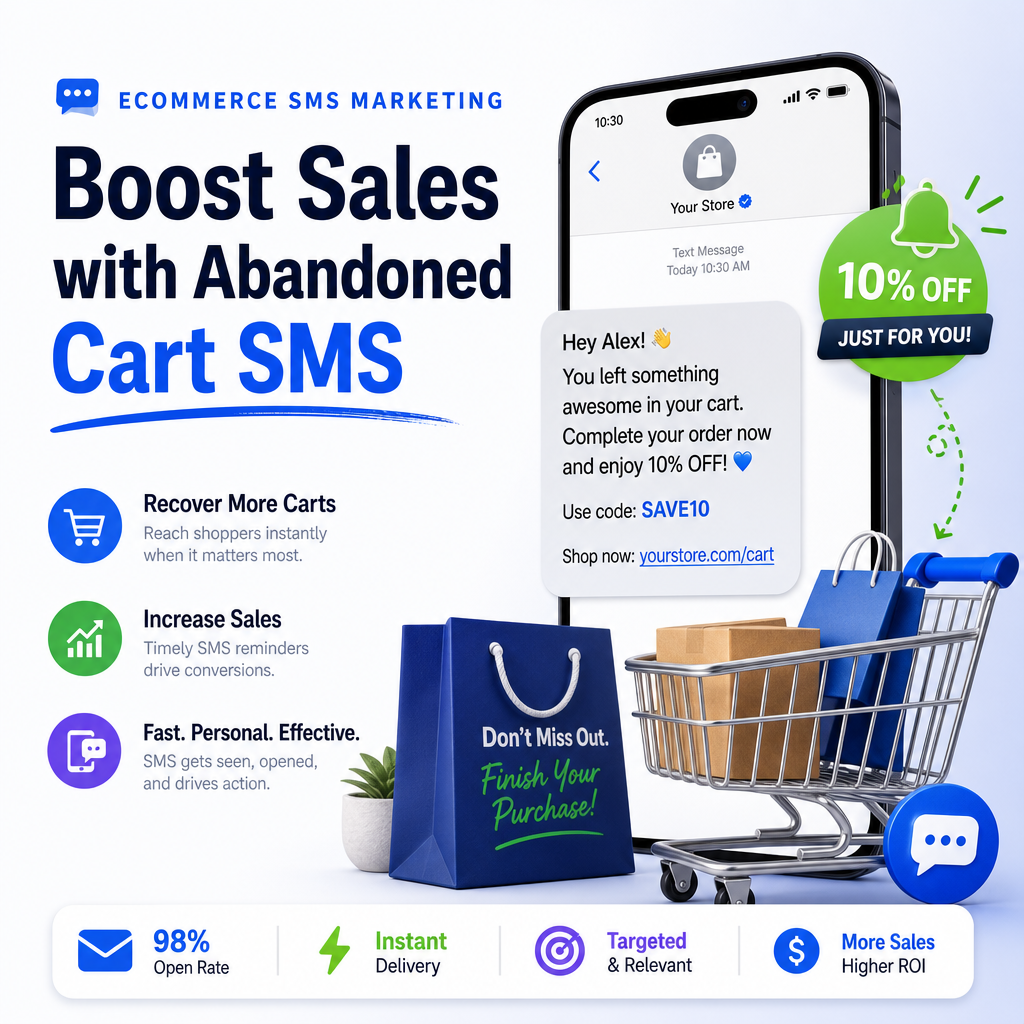
SMS Marketing for E-commerce Stores
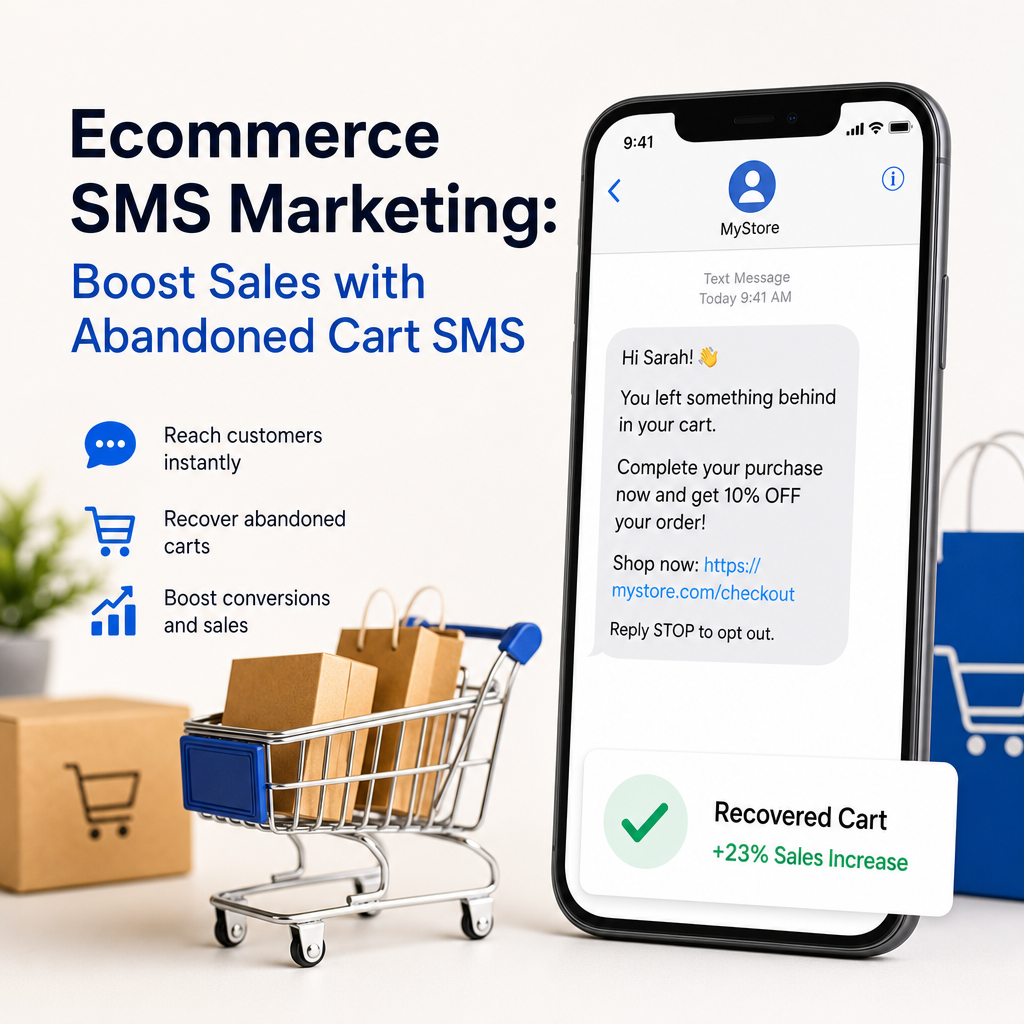
SMS marketing has become one of the most effective ways for e-commerce brands to reach customers quickly and drive sales. Unlike email, which can sit unread for hours or days, text messages are usually seen within minutes. That speed makes SMS a powerful channel for time-sensitive promotions, order updates, and personalized reminders that bring shoppers back to your store.
For online retailers, the real value of SMS is not just open rates. It is the ability to create direct, relevant, and actionable communication that feels immediate. When used well, ecommerce sms campaigns can increase repeat purchases, recover lost sales, and strengthen customer loyalty without overwhelming your audience.
Why SMS Works So Well for E-commerce
SMS marketing stands out because it meets shoppers where they already are: on their phones. Most people keep their mobile devices within reach throughout the day, which makes texting one of the most visible communication channels available.
Here are a few reasons SMS performs so well for e-commerce stores:
- High visibility: Text messages are typically opened within minutes.
- Fast action: Short messages encourage quick responses and clicks.
- Personal feel: SMS feels direct and one-to-one, especially when personalized.
- Great for urgency: Limited-time offers and back-in-stock alerts work especially well.
- Works across the customer journey: SMS can support both acquisition and retention.
Unlike social media posts that depend on algorithms, SMS lands directly in the customer’s inbox. That makes it especially useful for promotions that need immediate attention or reminders that can help recover revenue.
What SMS Marketing Can Do for Your Store
A strong SMS strategy can support several key goals in your e-commerce business.
Drive more sales
You can use text messages to promote flash sales, seasonal discounts, product launches, and exclusive offers. Because SMS is immediate, it can create urgency and prompt faster purchases.
Recover abandoned carts
One of the most profitable uses of SMS is sending an abandoned cart sms reminder. Many customers add items to their cart and leave before completing checkout. A well-timed text can bring them back and help recover lost revenue.
Improve customer retention
SMS is not just for promotions. You can also use it to send reorder reminders, loyalty rewards, VIP offers, and personalized product recommendations. These messages help keep your brand top of mind.
Enhance customer experience
Order confirmations, shipping notifications, delivery updates, and return reminders all improve the post-purchase experience. Customers appreciate clear updates, and SMS is often the fastest way to deliver them.
Building a Strong SMS Marketing Strategy
Successful SMS marketing is not about sending more messages. It is about sending the right messages to the right people at the right time. To do that, you need a clear strategy.
1. Grow a permission-based subscriber list
The first rule of SMS marketing is consent. Customers must opt in before you send them messages. This is not only a best practice but also a legal requirement in many regions.
Ways to collect SMS opt-ins include:
- Pop-up forms on your website
- Checkout opt-in checkboxes
- SMS keyword campaigns
- Landing pages for special offers
- Social media promotions that encourage sign-up
Make your value proposition clear. Tell shoppers exactly what they will receive, such as:
- Exclusive discounts
- Early access to sales
- Back-in-stock alerts
- Order updates
- VIP-only promotions
When customers know what they are signing up for, they are more likely to stay engaged.
2. Segment your audience
Not every subscriber should receive the same text. Segmentation helps you send more relevant messages, which improves conversion rates and reduces opt-outs.
Useful segments for e-commerce stores include:
- First-time customers
- Repeat buyers
- VIP or high-value customers
- Cart abandoners
- Browsing-only visitors
- Category-specific shoppers
- Lapsed customers
For example, a customer who bought running shoes last month may respond well to a text about athletic socks or a new sneaker release. A first-time buyer, on the other hand, may need a welcome message or a small incentive for a second purchase.
3. Keep messages short and clear
SMS has limited space, so every word matters. Your text should be simple, direct, and easy to act on.
A strong marketing text usually includes:
- A clear offer or purpose
- A sense of urgency when appropriate
- A call to action
- A link to the relevant page
Example:
“Your cart is waiting! Complete your order in the next 24 hours and get 10% off. Finish checkout now: [link]”
This works because it tells the shopper exactly what to do and gives them a reason to do it now.
4. Time your messages carefully
Timing has a major impact on SMS performance. Send too many messages and you risk annoying customers. Send at the wrong time and your message may be ignored.
Best practices include:
- Send promotional texts during normal waking hours
- Use local time zones when possible
- Avoid excessive frequency
- Match timing to the message type
For example, order updates should be sent immediately, while a weekend sale reminder might perform best on Friday afternoon or Saturday morning.
Using Abandoned Cart SMS to Recover Sales
Cart abandonment is a common challenge in e-commerce. Many shoppers browse, add items to their cart, and then leave without checking out. This is where abandoned cart sms can make a major difference.
Text reminders are often more effective than email alone because they reach customers faster and feel more personal.
Why abandoned cart SMS works
An abandoned cart text works best because it combines urgency, convenience, and relevance. The customer has already shown interest in a specific product, so your message is reaching someone with high purchase intent.
A strong abandoned cart SMS can:
- Remind the customer what they left behind
- Remove friction by linking directly to checkout
- Offer a limited-time incentive
- Address hesitation with reassurance or support
Timing for abandoned cart SMS
Timing matters more than anything else in cart recovery. A common approach is to send a sequence of messages.
Example sequence:
- First text after 30 to 60 minutes: A gentle reminder that the cart is still waiting.
- Second text after 12 to 24 hours: A follow-up with a stronger CTA or small incentive.
- Third text after 48 to 72 hours: A final reminder, possibly with urgency or a last-chance offer.
This sequence keeps the message timely without being too aggressive.
Example abandoned cart SMS messages
Here are a few examples that show different styles:
Simple reminder:
“Looks like you left something in your cart. Complete your order here: [link]”
Reminder with incentive:
“Still thinking it over? Finish your order in the next 24 hours and save 10% with code SAVE10: [link]”
Urgency-focused message:
“Your cart items are almost gone. Check out now before they sell out: [link]”
The best version depends on your brand voice, profit margins, and audience. If your products are in high demand, urgency may work best. If price sensitivity is the issue, a discount can help close the sale.
Types of SMS Campaigns E-commerce Stores Can Use
A good SMS program includes more than promotions. The most effective brands use text messages across multiple touchpoints.
Promotional campaigns
These are messages about sales, limited-time offers, new product drops, and seasonal deals. Promotional texts are excellent for driving immediate traffic and revenue.
Examples:
- Flash sale announcements
- Holiday offers
- Product launch alerts
- BOGO promotions
- VIP-only discounts
Transactional messages
These messages provide useful updates that improve the customer experience.
Examples:
- Order confirmation
- Shipping notification
- Delivery update
- Return instructions
- Payment reminders
Transactional texts build trust because they are practical and expected.
Lifecycle campaigns
Lifecycle SMS focuses on nurturing customers over time.
Examples:
- Welcome messages for new subscribers
- Post-purchase thank-you texts
- Replenishment reminders
- Birthday offers
- Win-back campaigns for inactive customers
These messages help create long-term value, not just short-term revenue.
Back-in-stock and low-stock alerts
These alerts are highly effective because they are based on customer intent. If someone asked to be notified when an item becomes available, the SMS should be sent as soon as possible.
A message like this works well:
“Good news — the item you wanted is back in stock. Shop now before it sells out again: [link]”
Best Practices for SMS Marketing Success
To get the most from ecommerce sms campaigns, you need to focus on quality, relevance, and compliance.
Personalize when possible
Use the customer’s name, reference products they viewed or purchased, and tailor offers to their behavior. Personalization helps your texts feel helpful instead of generic.
Example:
“Hi Sarah, the skincare set you liked is back in stock. Grab it here: [link]”
Make every message valuable
Customers will unsubscribe if they feel like your texts are only about pushing sales. Make sure every message has a clear purpose.
Ask yourself:
- Does this message help the customer?
- Is it relevant to this segment?
- Is it timely enough to matter?
- Does it justify the interruption?
Include a strong call to action
Every SMS should tell the reader what to do next. Use direct language such as:
- Shop now
- Complete checkout
- Claim your discount
- View your order
- Get notified
A text without a CTA is a missed opportunity.
Respect message frequency
Too many texts can lead to fatigue and opt-outs. Find a balance that keeps your brand present without becoming intrusive.
A simple approach is:
- 1 to 4 promotional texts per month, depending on audience expectations
- Additional transactional messages as needed
- Triggered texts based on customer behavior
Test and optimize
Just like email marketing, SMS improves with testing. Experiment with:
- Message length
- Tone of voice
- Incentives vs. no incentive
- Send time
- Call to action wording
Review click-through rates, conversion rates, opt-out rates, and revenue per message to learn what works best.
Common Mistakes to Avoid
Even though SMS is simple in format, many brands make avoidable mistakes that hurt performance.
Sending messages without consent
Never text people who have not opted in. Besides legal concerns, unsolicited texts damage trust quickly.
Being too promotional
If every message is a discount, customers may stop paying attention. Mix in helpful and transactional messages to create balance.
Using vague copy
Texts like “Check this out” or “Don’t miss this” are too unclear. Be specific about the value and action.
Ignoring mobile experience
If your link leads to a slow or cluttered mobile page, the campaign will underperform. Since SMS is a mobile-first channel, your landing pages should be fast and easy to use.
Forgetting to measure results
You should track performance regularly. Useful metrics include:
- Delivery rate
- Click-through rate
- Conversion rate
- Revenue per subscriber
- Unsubscribe rate
Without measurement, it is hard to improve.
How SMS Fits Into a Broader E-commerce Marketing Plan
SMS works best when it supports your other channels rather than replacing them. Think of it as a high-speed communication tool in your overall marketing system.
For example:
- Email can handle longer product storytelling
- Social media can build awareness and engagement
- Paid ads can attract new visitors
- SMS can close sales and drive immediate action
A customer might see your ad on Instagram, browse your site, sign up for your texts, receive an abandoned cart sms reminder, and then complete the purchase. That journey shows how SMS can strengthen the entire funnel.
Conclusion
SMS marketing gives e-commerce stores a direct and highly effective way to connect with shoppers. From flash sales to shipping updates, text messages can improve the customer experience while driving measurable revenue. When used strategically, ecommerce sms campaigns help brands stay visible, relevant, and timely.
One of the most powerful uses is abandoned cart sms, which can recover lost sales by bringing interested shoppers back to checkout. With the right timing, segmentation, and messaging, SMS can become one of the strongest tools in your e-commerce marketing stack.
The key is to keep it personal, useful, and concise. When customers trust your texts and find real value in them, they are far more likely to click, buy, and come back again.
