
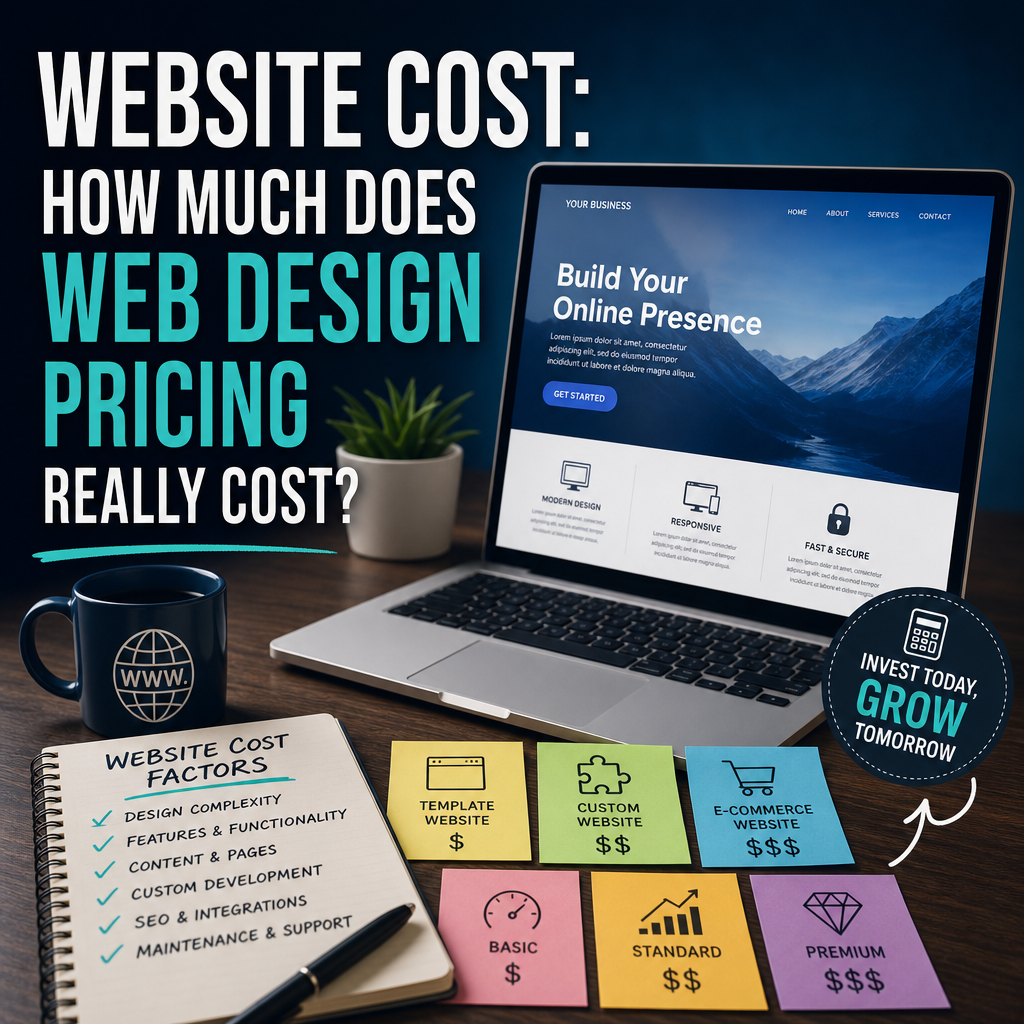
How Much Does a Website Cost?
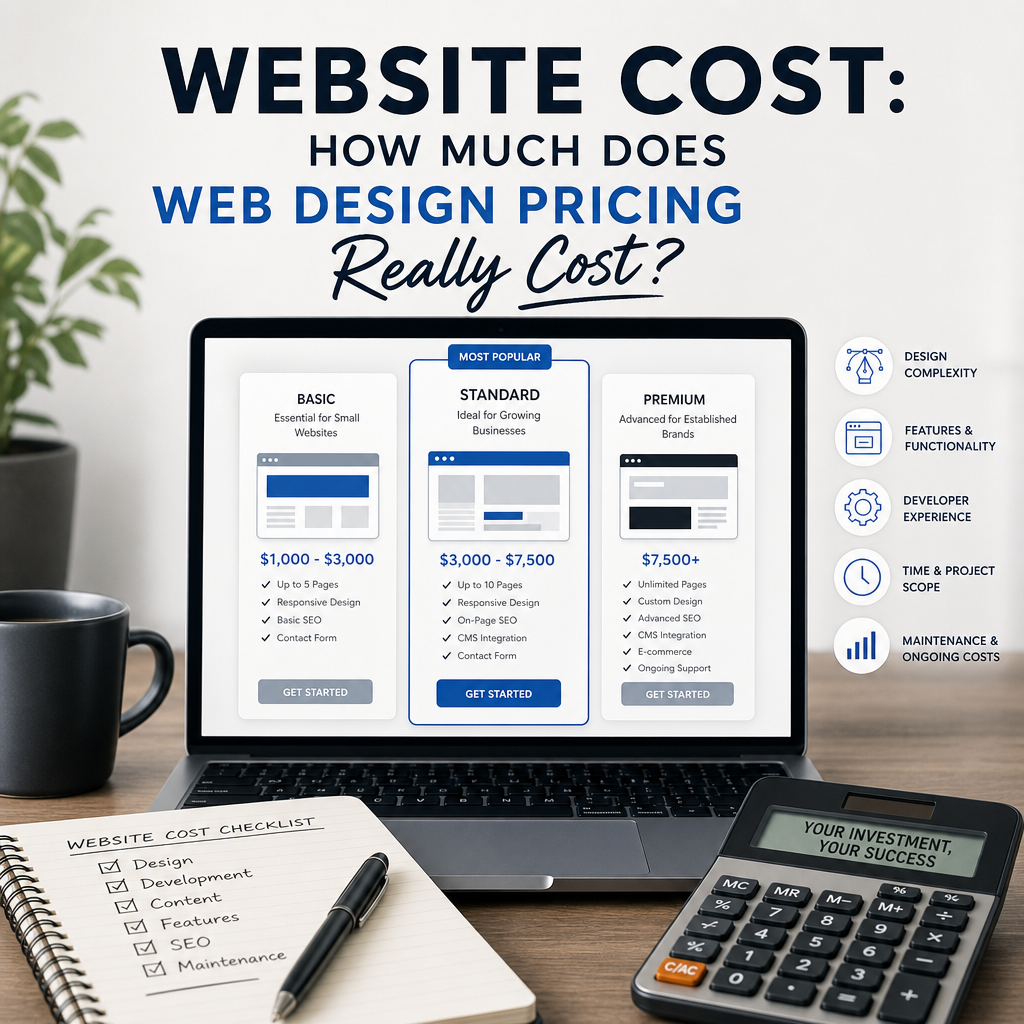 If you’re planning to launch a new site, one of the first questions you’ll ask is: how much does a website cost? The short answer is that it depends. A website can cost a few hundred dollars, several thousand dollars, or even tens of thousands, depending on your goals, features, and who builds it.
Understanding website cost is easier when you break it into parts. The total price usually reflects design, development, content, hosting, maintenance, and any special functionality you need. In other words, web design pricing is not one flat fee—it’s a mix of different services and choices.
This guide explains what influences website pricing, the typical cost ranges, and how to budget for the kind of site you actually need.
What Goes Into Website Cost?
A website is more than a few pages on the internet. It’s a digital asset that may need planning, design, writing, coding, testing, and ongoing support. Here are the main pieces that affect the final price.
1. Domain Name
Your domain name is your website’s address, such as yourbusiness.com. This is usually one of the smallest costs.
- Typical cost: $10–$25 per year
- Premium domains can cost much more if they’re already owned by someone else
2. Hosting
Hosting is the service that stores your website and makes it accessible online. The type of hosting you choose matters a lot.
- Shared hosting: $5–$20 per month
- Managed WordPress hosting: $20–$100+ per month
- VPS or dedicated hosting: $50–$500+ per month
A small brochure site may work fine on shared hosting, while a busy e-commerce site often needs stronger hosting.
3. Design and Development
This is usually the biggest part of the website cost. It includes the look of the site, how it functions, and how it works on different devices.
Design and development costs vary depending on:
- Whether you use a template or custom design
- How many pages you need
- Whether the site is built with WordPress, Shopify, or custom code
- How much customization is required
4. Content Creation
Your website needs text, images, and sometimes video. If you already have everything ready, your cost may stay lower. If not, you may need to pay for:
- Copywriting
- Photography
- Stock images
- Video production
- Logo or brand design
5. Ongoing Maintenance
Websites need updates, backups, security checks, and occasional fixes. Maintenance may be handled by you or by a professional.
- Basic maintenance: $50–$200 per month
- More advanced support: $200–$1,000+ per month
Common Website Cost Ranges
The best way to understand web design pricing is to look at common website types. While every project is different, these ranges are a helpful starting point.
1. DIY Website: $100–$1,000
If you build the site yourself using a website builder or WordPress theme, your costs may stay low.
Typical expenses include:
- Domain name
- Hosting
- Premium theme or template
- A few plugins or apps
This option works well for:
- Freelancers
- Personal brands
- Small side projects
- Very simple business sites
The tradeoff is time. You’ll save money, but you’ll need to handle the design, setup, and content yourself.
2. Small Business Website: $1,500–$5,000
A basic professional website for a small business often falls in this range. It may include:
- 5–10 pages
- Mobile-friendly design
- Contact form
- Basic SEO setup
- Blog integration
- Custom branding elements
This is a common choice for businesses that want a polished online presence without advanced features.
3. Custom Business Website: $5,000–$15,000
If you want a more tailored site with stronger branding and custom functionality, web design pricing moves up quickly.
You might pay this much for:
- Custom design
- More page templates
- Strategy sessions
- Content support
- Lead generation features
- CRM or email marketing integrations
This range is often right for established businesses that want their website to actively support sales and marketing.
4. E-Commerce Website: $3,000–$30,000+
Online stores are usually more expensive because they require product pages, shopping carts, checkout systems, payment gateways, shipping tools, and security considerations.
Costs depend on factors like:
- Number of products
- Custom product filtering
- Subscription features
- Inventory management
- Tax and shipping rules
- Third-party integrations
A simple store may cost a few thousand dollars, while a complex online shop can cost far more.
5. Enterprise or Custom Web Application: $20,000–$100,000+
Large organizations or startups with advanced requirements often need custom web applications, portals, or highly complex websites. These projects often involve:
- Custom architecture
- Database development
- User dashboards
- Security and compliance
- Integrations with internal systems
- Ongoing technical support
These projects are usually priced based on scope, complexity, and long-term needs.
Factors That Affect Web Design Pricing
Two websites may look similar on the surface but have very different prices. Why? Because several factors influence the total website cost.
Number of Pages
A five-page site takes less time than a 25-page site. More pages usually mean:
- More design work
- More content
- More navigation planning
- More revisions
Level of Customization
Using a pre-built template is cheaper than creating a custom design from scratch. Custom work may include:
- Unique layouts
- Custom graphics
- Animated elements
- Branded user experience
- Special interactions
Functionality and Features
Extra features raise the cost because they require more development and testing.
Examples include:
- Booking systems
- Membership areas
- Live chat
- Forms with automation
- Payment processing
- Multilingual support
- Search filters
- Appointment scheduling
Content Volume and Quality
A site with well-written, optimized content takes more work than one with placeholder text. If your web team also writes the content, expects strategy, or edits SEO copy, that will be added to the project.
Revisions and Project Scope
Some clients want a lot of collaboration and changes along the way. More revisions can increase web design pricing, especially if the original scope was limited.
Experience of the Provider
A freelancer, agency, and enterprise studio all charge differently.
- Freelancers may be more affordable
- Agencies often offer broader services and higher pricing
- Specialized studios may cost more but provide deeper expertise
You’re not only paying for hours worked—you’re paying for process, experience, and reliability.
Website Builders vs. Custom Design
One of the biggest decisions affecting website cost is whether to use a website builder or hire someone for custom design.
Website Builders
Platforms like Wix, Squarespace, and Shopify make it easier to launch quickly.
Pros:
- Lower upfront cost
- Faster setup
- Easier for beginners
- Built-in hosting and tools
Cons:
- Less flexibility
- Template limitations
- May become restrictive as you grow
WordPress with a Theme
WordPress can be a cost-effective middle ground.
Pros:
- Flexible and scalable
- Thousands of themes and plugins
- Good for blogging and SEO
- Wide range of price points
Cons:
- Requires setup and maintenance
- Plugin conflicts can happen
- Quality varies depending on the theme and builder used
Custom Website Design
Custom sites are built specifically for your brand and needs.
Pros:
- Unique look and functionality
- Better control over user experience
- Can support complex workflows
Cons:
- Higher website cost
- Longer timeline
- More involvement required
Typical Web Design Pricing Models
Different professionals price websites in different ways. Knowing the model helps you compare quotes properly.
Fixed-Price Projects
A designer or agency gives you a set price for a defined scope. This is common for smaller or clearly defined projects.
Best for:
- Business websites
- Landing pages
- Simple e-commerce builds
Watch for:
- Scope creep
- Extra charges for changes outside the original plan
Hourly Billing
Some designers charge by the hour.
Typical rates:
- Freelancers: $25–$100+ per hour
- Agencies: $75–$200+ per hour
Best for:
- Ongoing updates
- Unclear project scopes
- Small tasks and troubleshooting
Retainer or Monthly Support
You may pay a monthly fee for continued design, updates, or marketing support.
Best for:
- Businesses that need regular changes
- Sites with frequent content updates
- Long-term technical support
Examples of Website Cost Scenarios
To make website cost easier to understand, here are a few realistic examples.
Example 1: Local Service Business
A plumber, dentist, or consultant may want a simple site with service pages, contact information, and a quote request form.
Possible costs:
- Domain: $15/year
- Hosting: $10/month
- Theme: $60
- Design/setup: $1,500–$3,500
- Maintenance: $50–$150/month
Estimated total: $1,500–$5,000+
Example 2: Personal Brand or Portfolio Site
A photographer, designer, or coach may need a polished portfolio and a simple blog.
Possible costs:
- Domain and hosting: $100–$300/year
- Premium template: $100–$300
- Custom setup: $1,000–$4,000
- Copywriting or branding: optional additional cost
Estimated total: $1,000–$5,000
Example 3: E-Commerce Store
A small online store may need product listings, payment processing, shipping setup, and inventory tools.
Possible costs:
- Platform fees: variable
- Theme or design: $200–$2,000
- Setup and development: $3,000–$15,000
- Ongoing apps and maintenance: monthly fees
Estimated total: $3,000–$20,000+
How to Budget for a Website
A smart website budget focuses on business goals, not just the cheapest option. Before asking for quotes, think about what your site must do.
Ask These Questions
- What is the main purpose of the website?
- How many pages do I need?
- Do I need custom design or a template?
- Will I write my own content?
- Do I need booking, payments, or other special features?
- How much ongoing support will I need?
Prioritize the Essentials
If your budget is limited, focus first on the elements that matter most:
- Clear branding
- Mobile-friendly design
- Fast loading speed
- Easy navigation
- Strong calls to action
- Basic SEO
You can always add more features later.
Leave Room for Ongoing Costs
Many people only budget for launch. In reality, websites need regular expenses such as:
- Hosting
- Domain renewal
- Plugin or app subscriptions
- Maintenance
- Security updates
- Content refreshes
Planning for these costs upfront prevents surprises later.
How to Compare Website Quotes
When comparing quotes, don’t just look at the bottom line. One proposal may seem cheaper but exclude important items like content, revisions, or SEO setup.
Look for:
- Clear scope of work
- Number of pages included
- What revisions are allowed
- Timeline
- Ownership of files and content
- Maintenance or support options
- Extra charges for future changes
A good quote should explain exactly what you’re getting.
Can a Cheap Website Cost You More Later?
Yes. Choosing the lowest price can sometimes lead to a higher long-term website cost. A low-budget site may look fine at first, but it might have problems such as:
- Poor mobile experience
- Slow loading speed
- Weak SEO structure
- Hard-to-update pages
- Security issues
- Limited scalability
Spending a little more on quality can save time, reduce frustration, and support better business results.
Conclusion
So, how much does a website cost? The answer depends on the type of site, the level of customization, and the services included. A simple DIY site may cost under $1,000, while a custom business or e-commerce site can range from several thousand to well over $20,000.
The best approach is to match your website budget to your goals. Focus on the features you need now, plan for ongoing maintenance, and compare web design pricing based on value—not just the lowest quote. A well-built website is an investment that can support your brand, attract customers, and grow with your business.
